
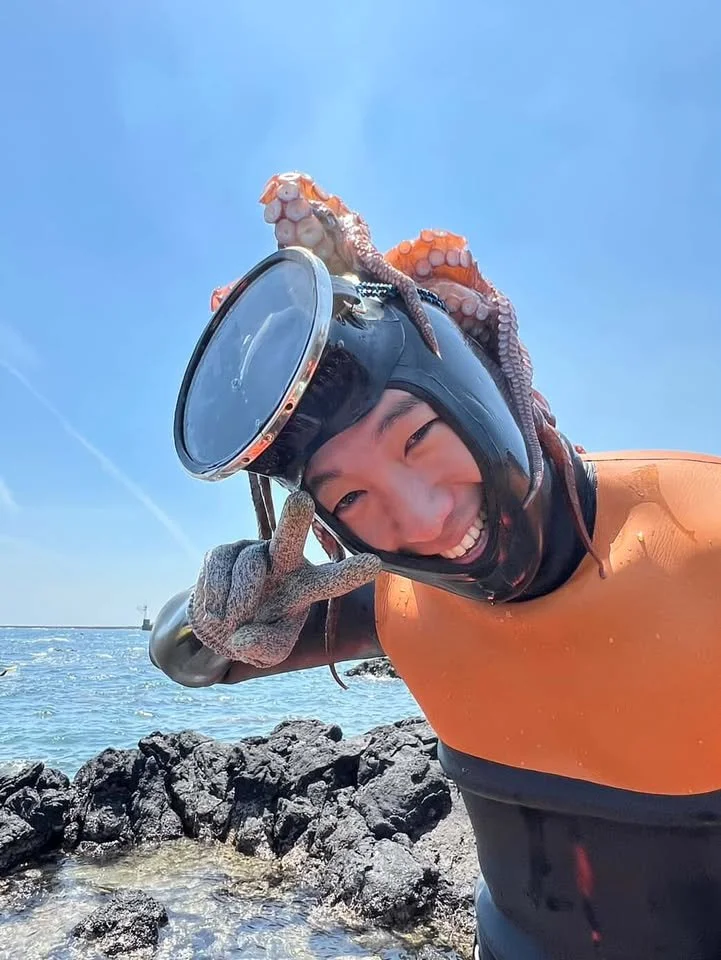
In Jeju, the Haenyeo have long belonged to women’s work. What people rarely know these days is that there are also Haenam (해 남; Sea Men), male divers who walk a far rarer, steeper path into this deeply female-centered tradition. Recently, I had a chance to interview Donguk Lee, currently Haenam registered in Shinrye-ri fishing village, and hear a story of his life shaped by patience, community trust, and the love of the ocean.
Becoming a Haenam Without Haenyeo School
“I’ve been a Haenam for five years now. Unlike many young Haenyeos, becoming a Haenam is off the beaten path. I didn’t go to Haenyeo School because men are not allowed to enter the school,” he said.
While Haenyeo School is the most typical path for women, men must find another way—one that relies entirely on community agreement. He introduced himself to fishing villages all over Jeju Island, showing his diving certification. After multiple rejections, one fishing village cooperative finally approved his enrollment
He went on saying, “For months, I went everywhere and got turned down.”
Eventually, his freediving instructor introduced him to the village chief of the Sinrye-ri fishing village cooperative. “I volunteered when any events took place, carried heavy loads, cleaned trash, drove elders around, and did all the tiny but crucial work.” It took a year, but his tireless hard work led the village of senior Haenyeos to accept him as Haenam.
He spent over two years as an intern Haenyeo before officially joining the fishing cooperative. In the village cooperative, the decision had to be unanimous. “After all, I was officially registered as a Haenam and received my Haenyeo certificate approved by the Jeju city government.”
What Brought Him to Work for Haenam
Becoming a Haenam was never his original plan. Before moving to Jeju, he had a hard time overcoming anxiety and panic attacks. One day, he started to learn scuba diving, and it changed everything.
“My pain was gone at some point once I started diving and loved the ocean.” He said the ocean healed everything. One day, he came across a video of a Haenam from Marado Island in Jeju on YouTube. “It hit me like a hammer. I realized men could work in the ocean like a Haenyeo.” He said even if income would be expected to be low, spending a whole lifetime surrounded by the sea justifies the reason to follow the path.
“Wait… You’re a Haenyeo?”
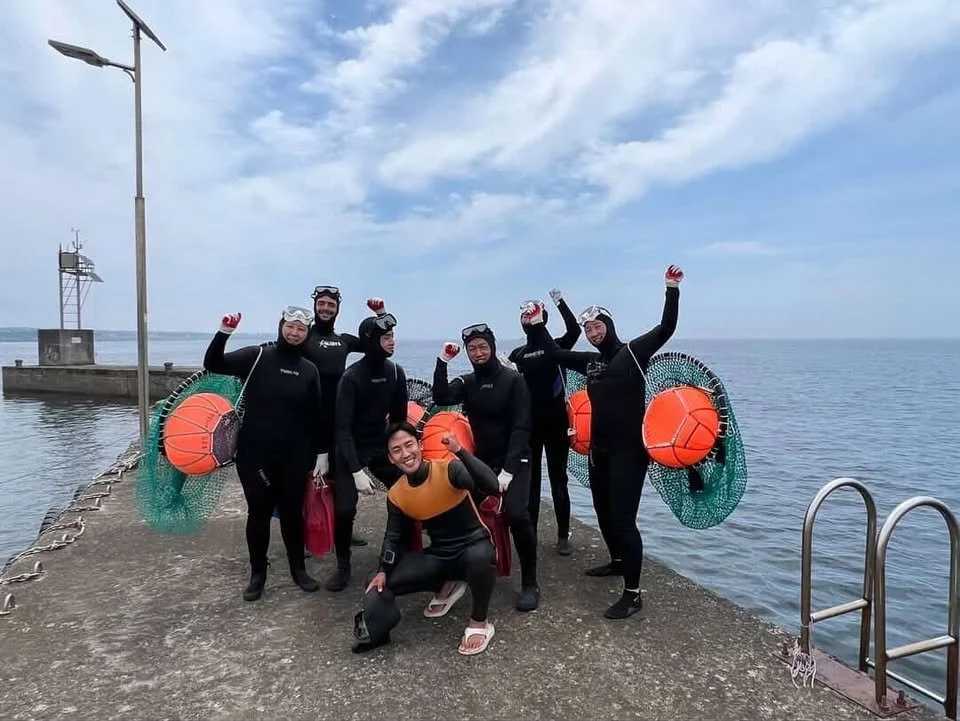
He said most people do not see him as part of the Haenyeo community until he introduces himself as a Haenam.
“At first sight, people assume I’m just a diving instructor. When I say I’m a Haenam, they tilt their heads in confusion and curiosity. But over time, as they learn Haenyeo diving and culture, their reactions turn into admiration.”
“They usually end up saying things like, ‘That’s amazing,’ or ‘You’re so unique,’ with respect.”
If people still doubt him, he shows videos of his diving and his certification.
Teaching Haenyeo diving to people outside of Korea means a lot to him.
“I felt proud knowing that our way of life could become something special to others.”
When participants say, “This didn’t feel like tourism,” or “I could feel your relationship with the sea,” his identity as a Haenyeo becomes even more precious. “I never imagined people would care this much.”
His Role in a Women-Centric Community
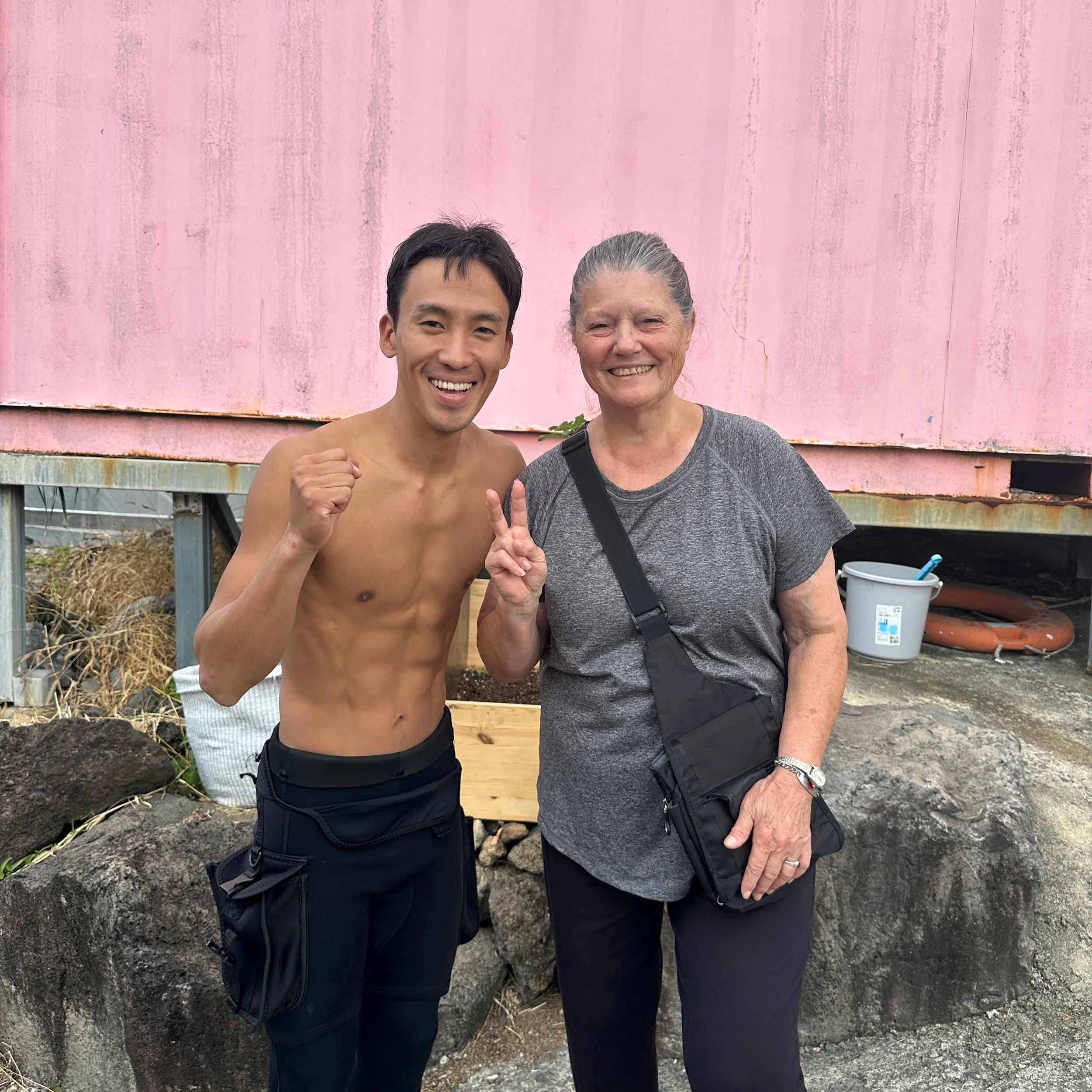
“I see my role as a supporter.” He helps older divers carry heavy gear, handles physically demanding tasks, and uses his truck to transport equipment. Beyond physical labor, he tries to act as a bridge between the younger Haenyeos and the elder Haenyeos.
“If you’re in a women-centered community, you can see that conflicts can happen. I try to blend in smoothly rather than push my thought forward.” His laid-back attitude—‘as long as things are good, they’re good’—turns out to be a good asset. Because of his supportive mindset, it’s always recognizable.
“The elders give me vitamins. When my gloves or socks tear, they privately replace them.” They ask for his opinions, check on him first when food is shared, and make sure he’s taken care of. That kind of recognition, he says, means everything.
The Harsh Reality That Haenyeos Face Right Now
According to him, Haenyeos/Haenam are facing critical challenges in maintaining the Haenyeo job.
First, the marine ecosystem is deteriorating.
Rising ocean temperatures caused by global warming kill seaweed, which many fish depend on for food. Without seaweed, fish and shellfish disappear, and the ocean becomes like a desert.
“The year 2024 was cruel. In 2025, it recovered slightly.”
Second, unstable income.
Relying solely on Haenyeo work cannot support the cost of living. During non-harvest seasons, Haenyeo must take on additional jobs to maintain a stable income. This is the main reason many eventually stop Haenyeo diving due to financial pressure.
Third, a lack of respect.
People involved in fishing and marine work are often blamed for ocean waste or pushed away from fishing areas, which discourages them from continuing as Haenyeo.
“One day I asked myself, why do I keep doing this?”
What keeps him going is remembering how hard it was to become a Haenam in the first place.
“It feels like I work for other jobs just to maintain my identity as Haenam.”
What Is Your Dream in the Future?
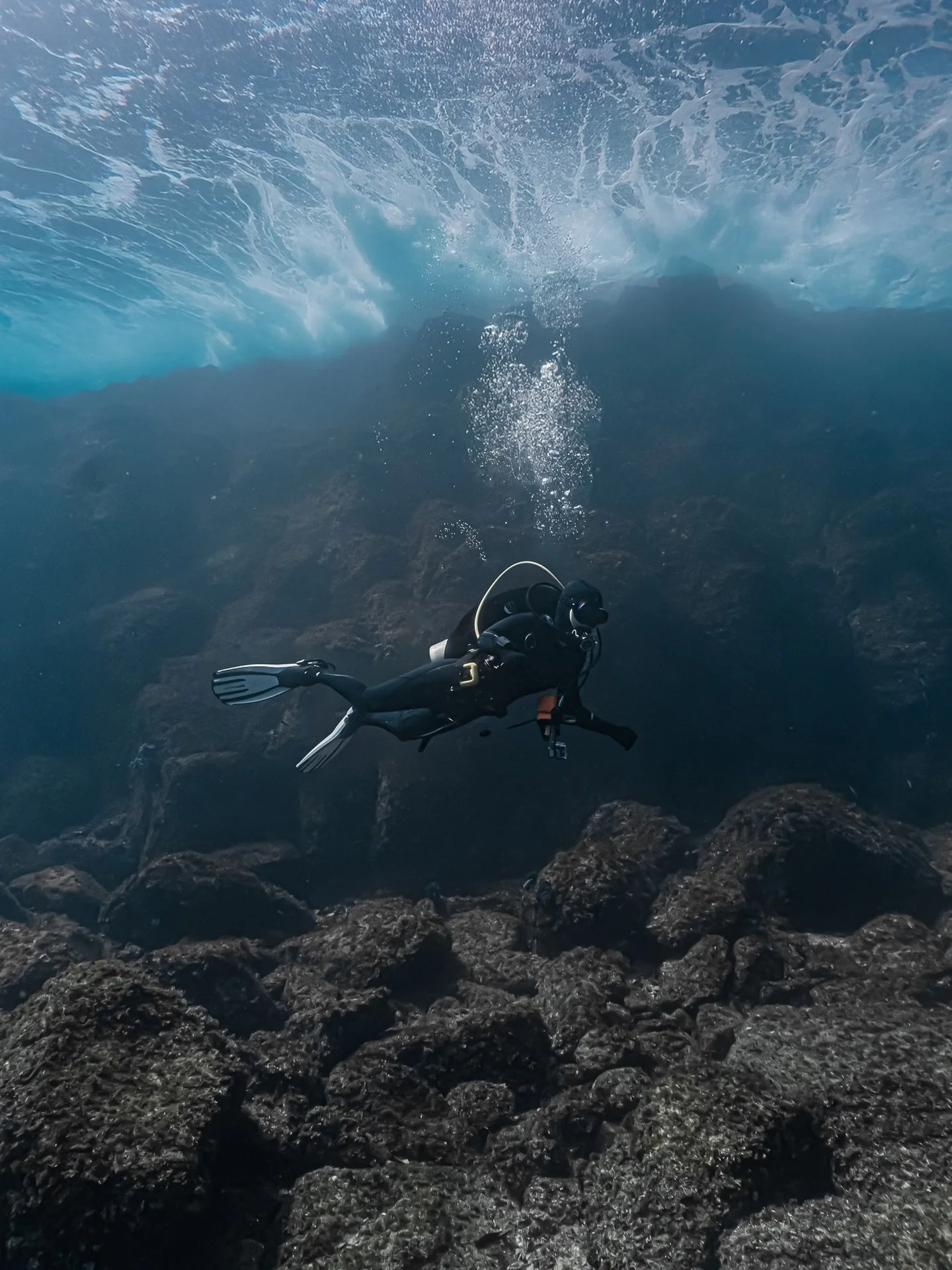
His dream is to create documentaries about Jeju’s ocean. “Calling by ‘Haenam’ gives me many opportunities.” If he runs his own programs in the future, they will likely focus on scuba diving and underwater exploration. He has long dreamed of underwater research projects and already works with a research institute.
A Piece of Advice to Those Who Dream of Haenyeo
“There’s something I want to pass on through this work.” Haenyeo culture should be respected as life and labor, not seen as a touristic excursion.
“Many young people say they want to become Haenyeo—but they should realize the weight of carrying this culture forward.”
He pauses, then adds firmly:
“Haenyeo is not a ‘cool’ job. It is lonely, exhausting, and demanding.”
And finally:
“Haenyeo is not a performance. It is life and labor.”
